
480°C


Product families
Choose by temperature
Industries we supply


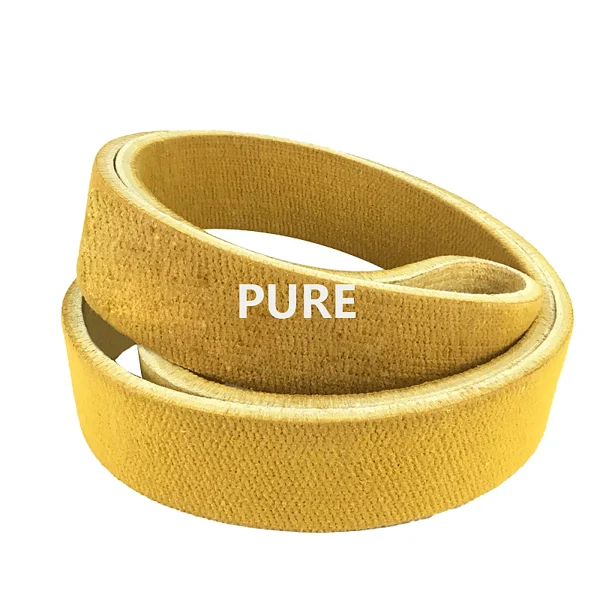
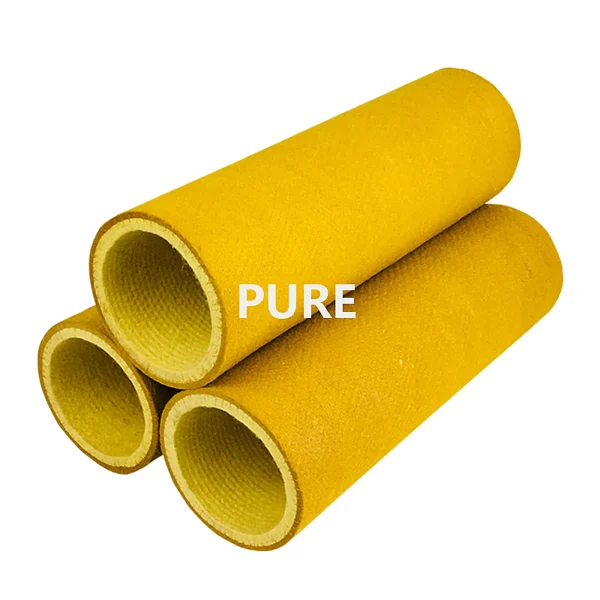
Felt Pads · Kevlar · PBO
Rated to 600–650°C
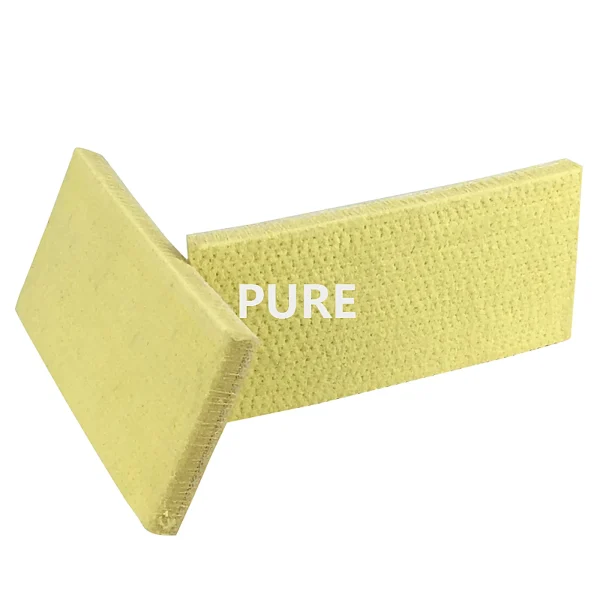
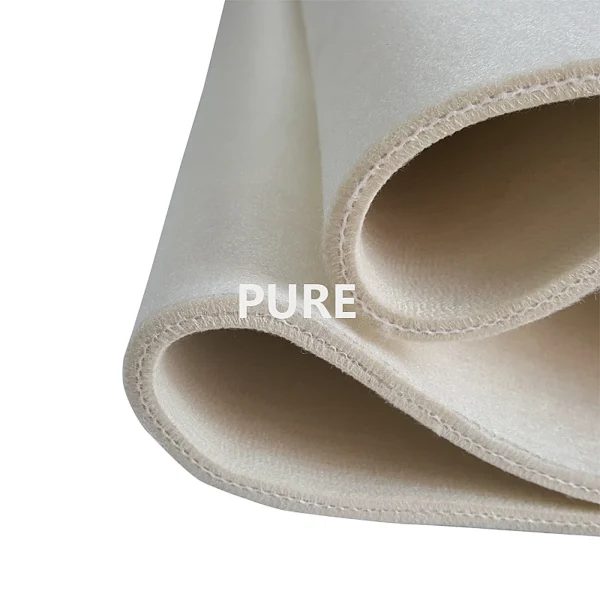
A PBO/Kevlar felt pad that replaces graphite at the press exit of aluminium extrusion lines.
Up to 600°C, or 650°C with premium PBO. Made to your width and length.
PBO felt pad
Graphite at the press exit leaves scratches, particles and dents on hot profiles.
This pad has a PBO working face on a Kevlar base.
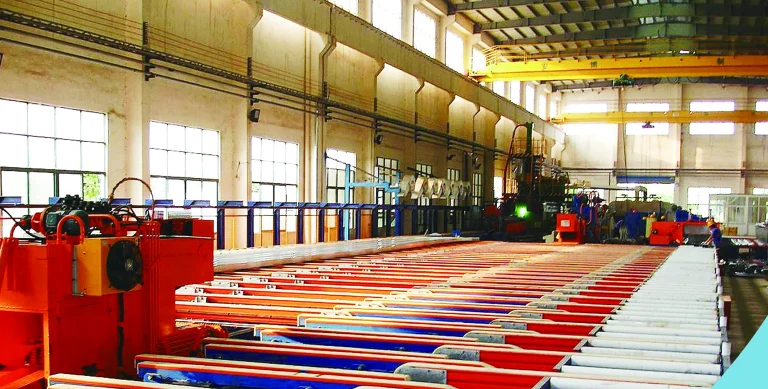
It takes over from graphite at the press exit and covers cooling table levels 1 and 2.
600°C
Maximum temperature
650°C
With premium PBO fibre
10mm
Total thickness
20m
Longest pad
Specifications
Every pad is made to order.
Pick the PBO and Kevlar split that suits your press.
| Model number | Pad-PK |
|---|---|
| Type | Felt pad / slat |
| Material | PBO face on a Kevlar base |
| Colour | Brown / yellow |
| Temperature | 600°C max, 650°C with premium PBO |
| Density | 400 g/m²·mm |
| Thickness | 10mm total: 3+7, 2+8, 4+6, 5+5 or 7+3 PBO/Kevlar, or 10mm all PBO |
| Width | 40–100mm |
| Length | Up to 20m |
| Hardness grade | R0 (no resin), R1 (soft), R2 (semi-rigid), R3 (rigid) |
| Position on line | Press exit, replacing high-purity graphite; cooling table levels 1 and 2 |
| Technique | Needle punched |
| Size | Made to order |
| Packing | Carton |
| Brand | PD |
| Origin | Guangdong, China |

Why PBO
01
Felt does not shed particles or scratch the profile the way graphite does.
02
Standard PBO works up to 600°C, and premium PBO reaches 650°C.
03
Choose from five PBO and Kevlar splits, or a pad that is PBO all the way through.

Application
PBO pads sit at the press exit, in place of high-purity graphite.
They also cover cooling table levels 1 and 2.
Where the table runs cooler, Kevlar or Nomex pads cost less.
Our factory
01
The working face is PBO fibre. The base is 100% Kevlar para-aramid.
PBO is the most heat-resistant fibre we use.
The Kevlar base carries the load, so the PBO face only has to take the heat.


02
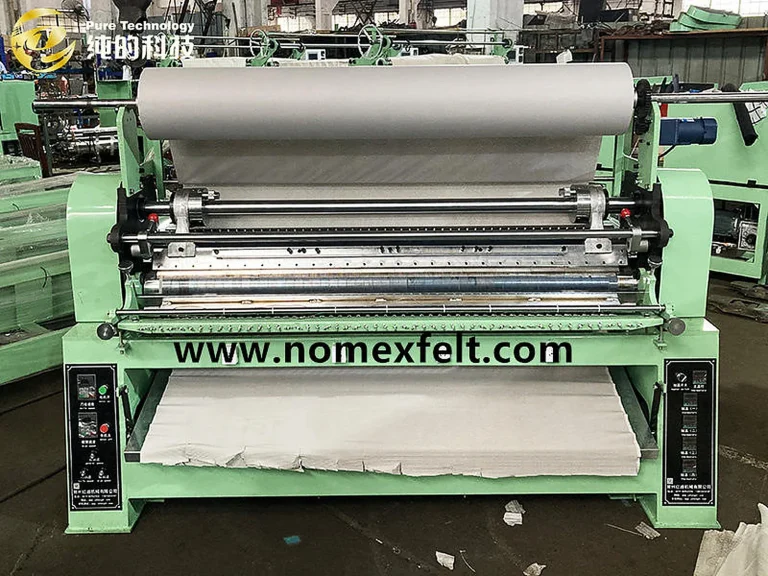
Carding opens the fibre and combs out impurities and short lint.
We control temperature and humidity so the web stays even.
An even web is what keeps the finished felt the same thickness from edge to edge.
03
The web is cross-laid in layers to the weight you need.
Needle punching then locks the fibre onto the base cloth.
The barbed needles pull fibre through the layers, so the felt holds together without glue.


04
Resin grades run from R0 (no resin) to R3 (rigid).
Resin adds wear resistance and stops aluminium swarf sticking to the felt.
Tell us how abrasive the position is and we will suggest the grade.
05
Each pad is cut to your width and length.
Edges come out clean, with no loose fibre.
Pads are cut from one piece, so there is no seam across the working face.


06
Every finished piece passes through a metal detector.
No broken needle leaves the factory inside the felt.
A broken needle tip left in the felt would mark your rollers or your product.
Quality
We work to an ISO 9001 quality system.
QC staff check the raw fibre and every production step.
Certificates are on file and we can send copies with your quote.
If you need a test report with an order, ask for it before production starts.


Packing
Pads are packed in cartons.
Tell us if you want them cut to length before shipping.
Tell us if your forwarder needs different packing and we will pack to that.
Support
01
Send a drawing or the size of your old part. We make the new one to match.
02
Not sure which felt goes where? We match PBO, Kevlar, Nomex or polyester to each position on your line.
03
We also supply extrusion presses, ageing furnaces, dies and handling systems.
FAQ
The pad width, length and layer split.
A photo of the press exit helps. Add your delivery address for shipping.
3+7 is the usual choice.
More PBO suits hotter spots. A full 10mm PBO pad is for the hottest ones.
Standard PBO covers work up to 600°C.
Choose the premium grade when the pad sees up to 650°C.
R0 has no resin and is the softest. R3 is rigid.
Tell us the position and the profile type, and we suggest a grade.
We send a quote and an invoice. Production starts when payment arrives.
The balance is paid before shipment.
T/T, PayPal, Western Union and L/C.
Ask us if you need another method.
PD FELT · Foshan, China
Tell us the machine, the position on the line and the temperature. We make the felt to your drawing.
Size, working temperature and machine model help us quote faster.


